Chinese Festivals | Winter Solstice is as Important as the New Year

Welcome to Scinorhythm Classroom! This article, exclusively published by ScinoRhythm, is about Chinese movies| The newest Jackie Chan's action movie: The Shadow's Edge. It's relatively easy and suitable for beginners learning Chinese. If you enjoy ScinoRhythm's courses, feel free to subscribe to our private tutoring sessions and enjoy various discounts.#Chinese learning #Mandarin language learning #Affordable online Chinese courses #Mandarin native teacher #HSK #dumpling #festival#Winter Solstice
For Chinese people, the 冬至 (dōng zhì)—or Winter Solstice—is far more than just a day on the calendar. It is one of the oldest and most cherished festivals, deeply rooted in ancient wisdom and family bonds. Let’s explore its origin, development, and colorful regional customs.
Origin of the Winter Solstice
The Winter Solstice marks the shortest day and longest night of the year in the Northern Hemisphere. Ancient Chinese astronomers first observed this celestial event over 2,000 years ago. They believed it was a turning point: the peak of yin (cold, dark energy) and the beginning of yang (warm, bright energy). In traditional texts like The Book of Han, the Winter Solstice was described as a time to 祭祀 (jì sì worship) heaven and 祖先 (zǔ xiān ancestors), as people hoped to welcome the return of longer days and a bountiful harvest.
Development Through History
Over centuries, the Winter Solstice evolved from an astronomical observation to a national festival. During the Han Dynasty (206 BCE–220 CE), it became an official holiday where people took days off to celebrate with family. In the Tang and Song Dynasties, the festival grew more elaborate: emperors held grand ceremonies to honor heaven, while commoners exchanged gifts and feasted. By the Ming and Qing Dynasties, specific foods like dumplings and tangyuan became central to the celebration. Today, though modern life is fast-paced, many families still gather on this day to keep the tradition alive.
Regional Customs Across China
One of the most fascinating aspects of the Winter Solstice is its diverse regional customs, each with unique stories and flavors:
Northern China: Dumplings (饺子, jiǎo zi)
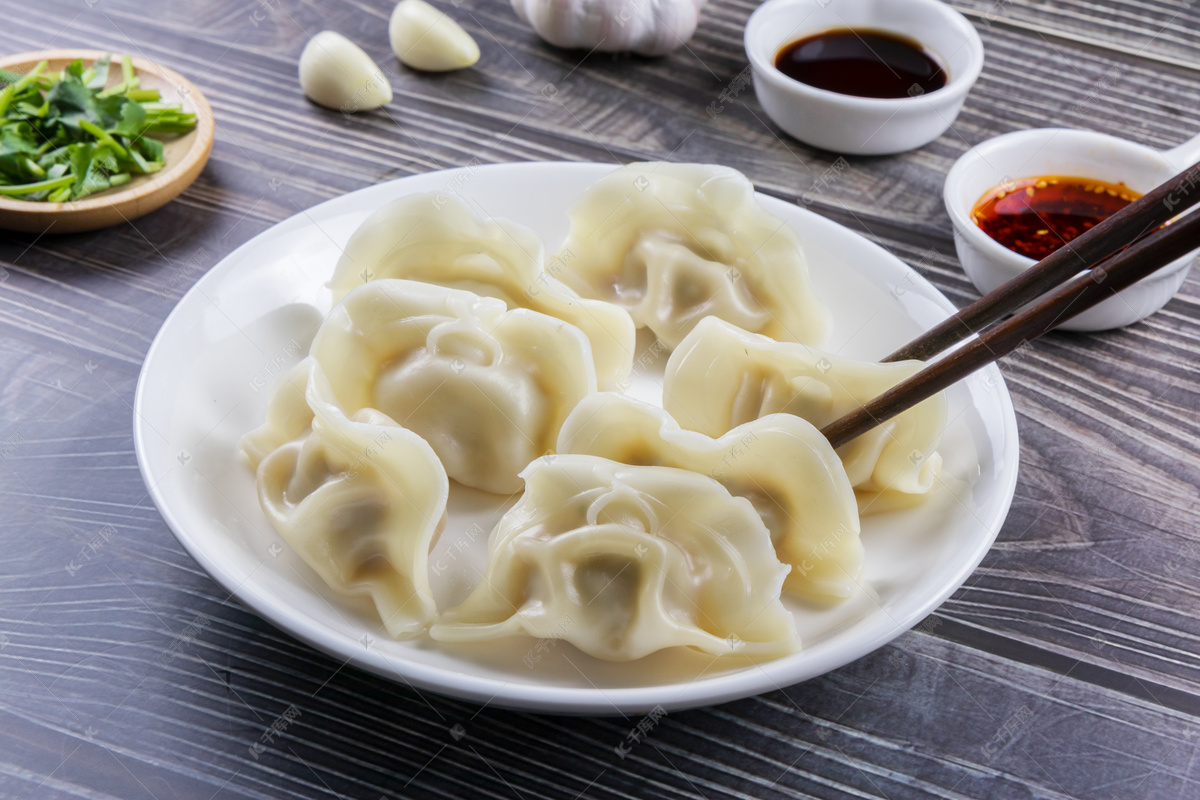
In northern cities like Beijing, eating dumplings is a must. The tradition comes from Zhang Zhongjing, a famous Han Dynasty doctor. He invented dumplings filled with mutton and herbs to help villagers stay warm and avoid frostbite. Today, families wrap dumplings together, filling them with pork, cabbage, or mushrooms—symbolizing warmth and gratitude.
Southern China: Tangyuan (汤圆, tāng yuán)
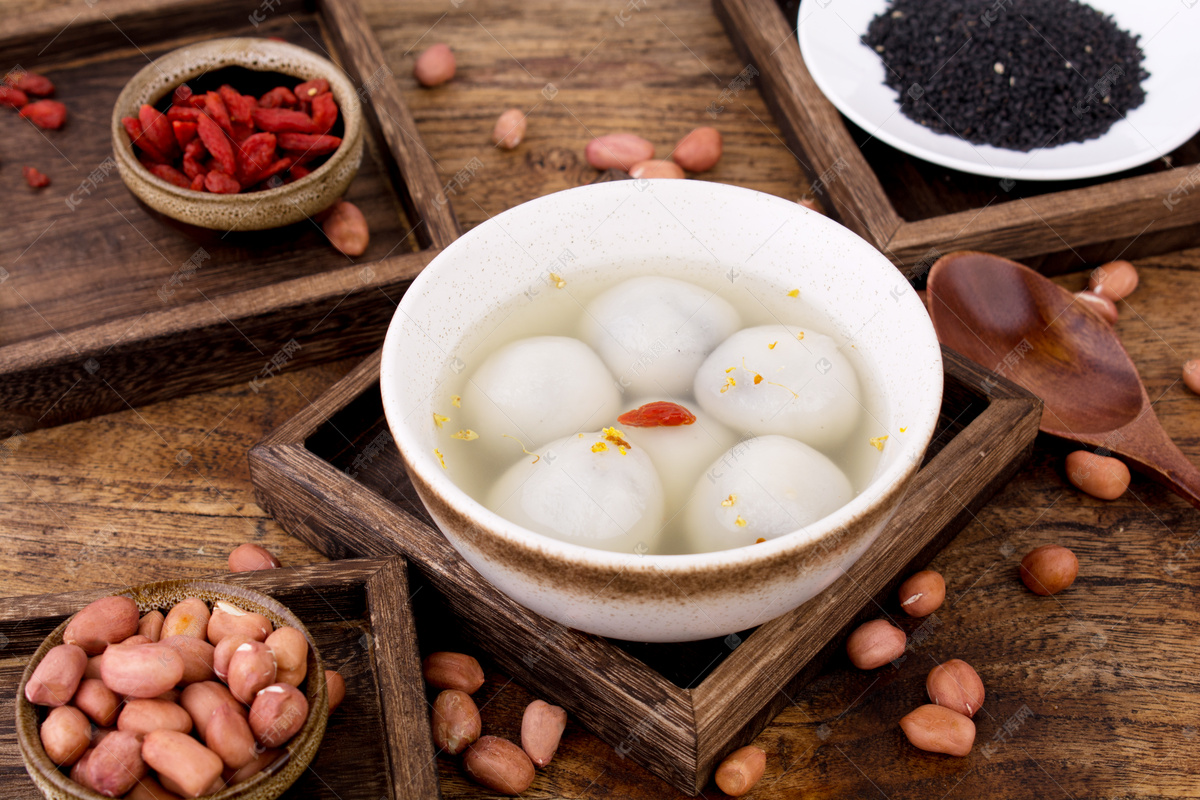
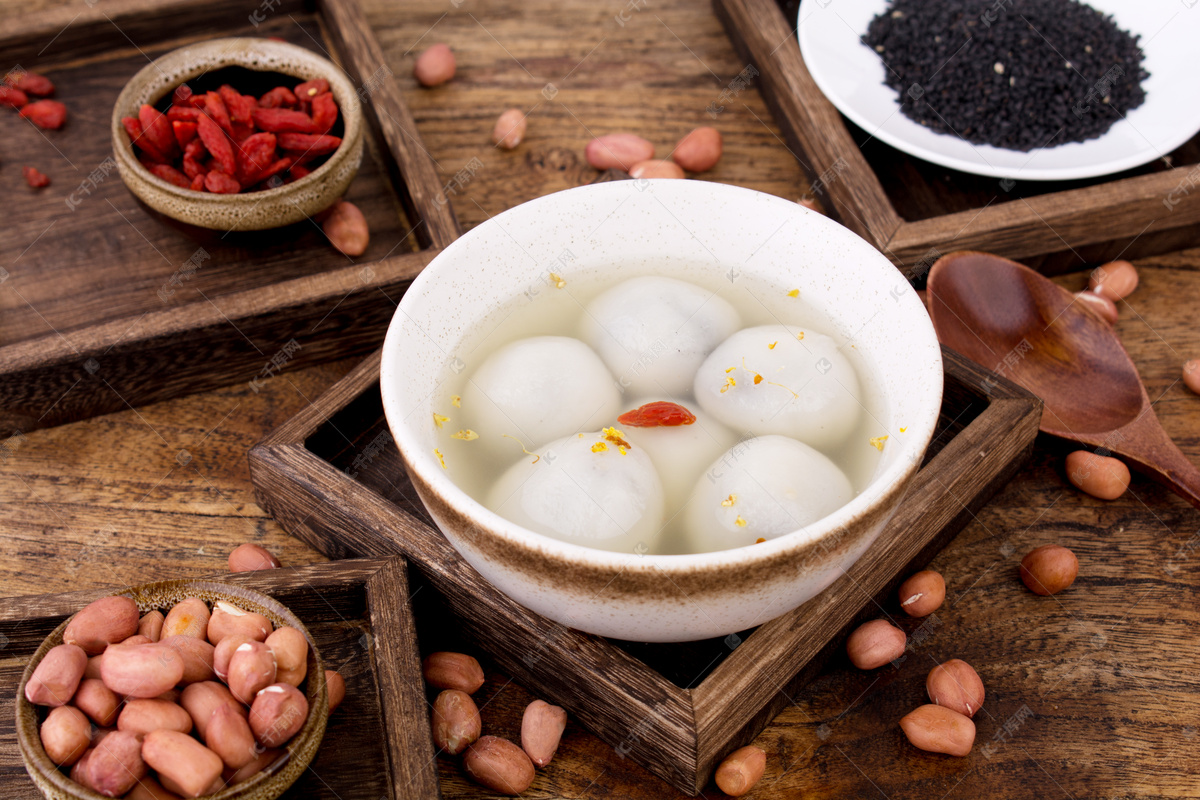
In southern regions like Guangzhou and Shanghai, people prefer 汤圆 (tāng yuán)—soft glutinous rice balls in sweet soup. Their round shape represents 团圆 (tuán yuán reunion), so families often make them together, adding fillings like sesame paste or red bean paste. Some even hide a coin in one tangyuan; the lucky person who finds it will have 好运 (hǎo yùn good luck) all year!
Jiangnan Area: Red Bean Glutinous Rice
In the Yangtze River delta, people cook red bean glutinous rice. A local legend says that red beans can ward off evil spirits, so this dish is meant to protect families from cold and misfortune. The rich, sweet flavor also brings joy to the winter day.
Fujian Province: Ginger Duck
In Fujian, a warm dish called ginger duck is popular. Made with duck, fresh ginger, and rice wine, it is believed to nourish the body and fight off the cold. Families share this hearty meal to stay healthy through the winter.
Taiwan: Nine-Layer Cake
Taiwanese families often make nine-layer cake, a sticky, sweet dessert with nine layers. Each layer represents a wish for good fortune, and the cake’s height symbolizes the rising sun—hope for a brighter future.
Conclusion
The Winter Solstice is a celebration of nature’s cycle and family love. Whether you eat dumplings in the north or tangyuan in the south, the core of the festival remains the same: gathering with loved ones, honoring tradition, and looking forward to warmer days ahead. It is a beautiful reminder of how Chinese culture connects people to the land and each other.
冬至 (dōng zhì) – Winter Solstice
中文:冬至这天,北方人习惯吃饺子,据说可以防止耳朵冻裂。
English: On the Winter Solstice, people in northern China traditionally eat dumplings, which are said to prevent ears from freezing and cracking.
二十四节气 (èr shí sì jié qì) – 24 Solar Terms
中文:二十四节气指导着中国农民的耕作节奏,是古代农耕文明的智慧体现。
English: The 24 Solar Terms guide Chinese farmers' farming rhythms and embody the wisdom of ancient agricultural civilization.
习俗 (xí sú) – Custom
中文:婚礼上撒喜糖是中国的传统习俗,寓意把幸福分享给每一位宾客。
English: Throwing candies at weddings is a traditional Chinese custom, symbolizing sharing happiness with every guest.
团圆 (tuán yuán) – Reunion
中文:每年春节,在外打工的人都会赶回家和家人团圆。
English: Every Spring Festival, migrant workers rush home to have a family reunion.
饺子 (jiǎo zi) – Dumpling
中文:妈妈包的饺子皮薄馅大,咬一口汤汁四溢,是我最爱的家常菜。
English: The dumplings made by my mother have thin skins and generous fillings; biting into them releases rich soup, making them my favorite home-cooked dish.
汤圆 (tāng yuán) – Glutinous rice ball
中文:元宵节的晚上,我们一家人围坐在一起煮汤圆,象征着团团圆圆。
English: On the Lantern Festival evening, my family sits together to cook glutinous rice balls, symbolizing togetherness and reunion.
祭祀 (jì sì) – Sacrifice
中文:清明节时,人们会带上鲜花和水果去墓地祭祀祖先。
English: During the Qingming Festival, people bring flowers and fruits to the cemetery to sacrifice to their ancestors.
祖先 (zǔ xiān) – Ancestor
中文:我们的祖先用勤劳和智慧创造了灿烂的中华文化。
English: Our ancestors created splendid Chinese culture with hard work and wisdom.
温暖 (wēn nuǎn) – Warm
中文:奶奶织的毛衣穿在身上,不仅身体暖,心里更温暖。
English: The sweater knitted by my grandma keeps my body warm and, more importantly, warms my heart.
好运 (hǎo yùn) – Good luck
中文:考试前,朋友送给我一支钢笔,祝我考试有好运。
English: Before the exam, my friend gave me a pen to wish me good luck in the test.
节日 (jié rì) – Festival
中文:端午节是纪念屈原的传统节日,人们会吃粽子、赛龙舟。
English: The Dragon Boat Festival is a traditional festival to commemorate Qu Yuan, where people eat zongzi (glutinous rice dumplings) and race dragon boats.
食物 (shí wù) – Food
中文:健康的食物能给我们提供充足的能量,让身体更有活力。
English: Healthy food provides us with sufficient energy and makes our bodies more energetic.
家庭 (jiā tíng) – Family
中文:家庭是我们最温暖的港湾,无论遇到什么困难,家人都会支持我们。
English: Family is our warmest haven; no matter what difficulties we face, family members will support us.
自然 (zì rán) – Nature
中文:雨后的山林空气清新,到处都是自然的气息。
English: After the rain, the mountain forest has fresh air, filled with the scent of nature everywhere.
希望 (xī wàng) – Hope
中文:我希望明年能考上理想的大学,实现自己的梦想。
English: I hope to get into my ideal university next year and realize my dream.