Chinese Culture| Taoism: Ancient Chinese Philosophical Thought

Welcome to Scinorhythm Classroom! This article, exclusively published by ScinoRhythm, is about Chinese Culture| Taoism: Ancient Chinese Philosophical Thought. It's relatively easy and suitable for beginners learning Chinese. If you enjoy ScinoRhythm's courses, feel free to subscribe to our private tutoring sessions and enjoy various discounts.#Chinese learning #Mandarin language learning #Affordable online Chinese courses #Mandarin native teacher #HSK #Taoism #xianxia #Chinese culture #Philosophy
Taoism (or Daoism) is a cornerstone of traditional Chinese culture, with ideas that have echoed through millennia—from ancient philosophy to modern global phenomena like xianxia (仙侠, xiānxiá, fantasy about immortals) IPs. For international Chinese learners, exploring Taoism unlocks not just cultural depth but also a window into how ancient ideas still resonate in today’s world.
Core Ideas of Taoism
At the heart of Taoism lies the concept of 道 (dào, the Way)—the invisible, indescribable force that is the origin of the universe and governs all natural processes. Taoists believe humans should align with 自然 (zìrán, nature) instead of fighting against it. Key values include 和谐 (héxié, harmony) between people and their surroundings, and 平衡 (pínghéng, balance) between opposing forces like yin (darkness/softness) and yang (light/hardness).
Another famous Taoist principle is 无为 (wúwéi, non-action)—not doing nothing, but acting in flow with the Way, avoiding unnecessary control. For example, a Taoist might say a garden grows best when left to its natural rhythm, rather than over-pruned.
Key Figures & Texts
Two iconic thinkers defined Taoism:
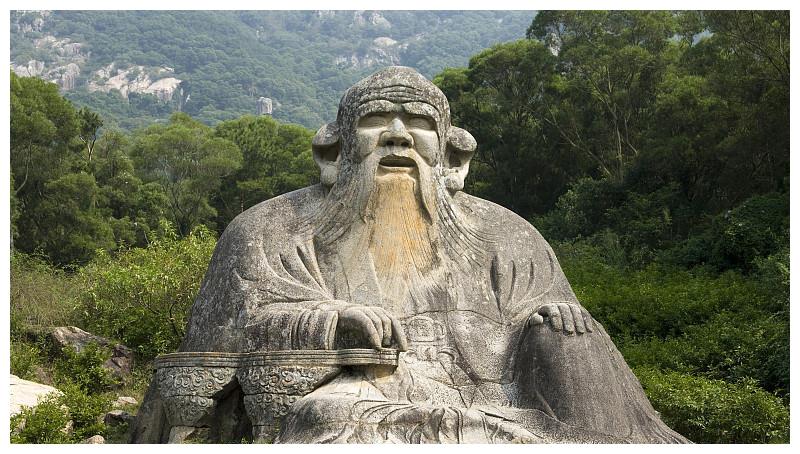
老子 (Lǎozǐ, Laozi): The author of Tao Te Ching (《道德经》, Dàodéjīng), a short book of poetic teachings on the Way.
庄子 (Zhuāngzǐ, Zhuangzi): Known for his whimsical 寓言 (yùyán, fables), like the story of Zhuangzi dreaming he was a butterfly—blurring the line between reality and illusion.
Taoism’s Influence Today
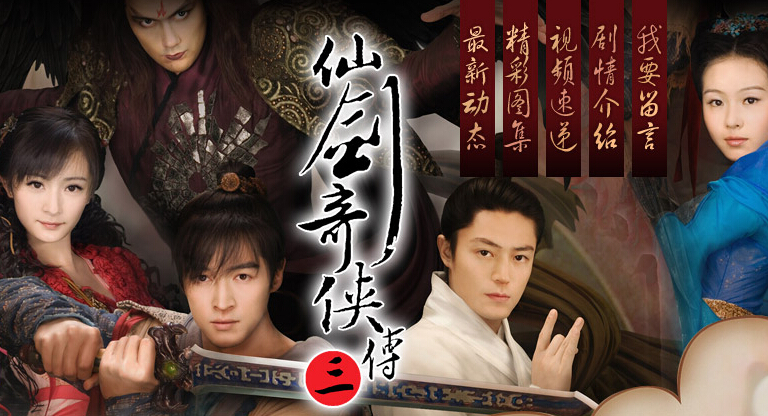
Taoism has shaped Chinese medicine, martial arts (e.g., tai chi), and even daily life (like the emphasis on slow, mindful living). Most visibly, it inspires global xianxia hits such as Chinese Paladin (《仙剑奇侠传》) —where characters seek to become 仙 (xiān, immortals) through meditation and self-cultivation, drawing directly from Taoist ideas of spiritual transcendence.
Vocabulary List (11 Words)
道
English: The Way (core principle of Taoism; origin of the universe)
Pinyin: dào
Example: 道家认为“道”是一切的根源。(Dàojiā rènwéi "dào" shì yīqiè de gēnyuán. Taoists believe the Way is the root of everything.)
自然
English: Nature; natural state
Pinyin: zìrán
Example: 我们要爱护自然。(Wǒmen yào àihù zìrán. We should care for nature.)
和谐
English: Harmony
Pinyin: héxié
Example: 家庭里的和谐很重要。(Jiātíng lǐ de héxié hěn zhòngyào. Harmony in the family is very important.)
平衡
English: Balance
Pinyin: pínghéng
Example: 我需要平衡工作和休息。(Wǒ xūyào pínghéng gōngzuò hé xiūxi. I need to balance work and rest.)
无为
English: Non-action (effortless alignment with the Way)
Pinyin: wúwéi
Example: 老子提倡“无为而治”。(Lǎozǐ tíchàng "wúwéi ér zhì". Laozi advocates governing by non-interference.)
仙
English: Immortal (supernatural being in Chinese mythology)
Pinyin: xiān
Example: 仙侠故事里有很多仙人。(Xiānxiá gùshì lǐ yǒu hěnduō xiānrén. There are many immortals in xianxia stories.)
宇宙
English: Universe
Pinyin: yǔzhòu
Example: 宇宙很大,有很多星星。(Yǔzhòu hěn dà, yǒu hěnduō xīngxīng. The universe is big, with many stars.)
寓言
English: Fable (short story with a moral)
Pinyin: yùyán
Example: 庄子用寓言讲深刻的道理。(Zhuāngzǐ yòng yùyán jiǎng shēnkè de dàolǐ. Zhuangzi uses fables to teach deep truths.)
影响
English: Influence
Pinyin: yǐngxiǎng
Example: 道家文化影响了很多艺术形式。(Dàojiā wénhuà yǐngxiǎng le hěnduō yìshù xíngshì. Taoist culture has influenced many art forms.)
哲学
English: Philosophy
Pinyin: zhéxué
Example: 道家是中国重要的哲学流派。(Dàojiā shì Zhōngguó zhòngyào de zhéxué liúpài. Taoism is an important philosophical school in China.)
根源
English: Root; origin
Pinyin: gēnyuán
Example: 这个问题的根源是什么?(Zhège wèntí de gēnyuán shì shénme? What is the root of this problem?)