Chinese History| Founder of Ming Dynasty, ZhuYuanZhang: From Beggar to Emperor


Chinese History| Founder of Ming Dynasty, ZhuYuanZhang: From Beggar to Emperor
Welcome to Scinorhythm Classroom! This article, exclusively published by ScinoRhythm, is about Chinese History| Founder of Ming Dynasty, ZhuYuanZhang: From Beggar to Emperor. This article involves many terms related to traditional Chinese culture and may be slightly challenging. It is suitable for Chinese learners with an HSK3 or higher level of proficiency. If you enjoy ScinoRhythm's courses, feel free to subscribe to our private tutoring sessions and enjoy various discounts.#Chinese learning #Mandarin language learning #Affordable online Chinese courses #Mandarin native teacher #HSK #Hanfu #Ming Dynasty
Zhu Yuanzhang (1328–1398), the founder of the Ming Dynasty (1368–1644), is one of the most influential figures in Chinese history. Born into a peasant family during a time of war and famine, he rose to power through military and political strategies, ultimately unifying China after overthrowing the Yuan Dynasty. His reign, known as the Hongwu Era, laid the foundation for a prosperous and culturally rich dynasty that lasted nearly three centuries.
Early Life and Rise to Power
Zhu Yuanzhang, originally named Zhu Chongba, was born in a poor farming family in present-day Anhui Province. After his parents died of famine and plague, he became a monk and later joined a rebel group fighting against the Yuan Dynasty’s corruption. By 1356, he controlled Nanjing (then called Yingtian), which became the base for his eventual conquest of China. Through alliances and military victories, he defeated rival warlords like Chen Youliang and Zhang Shicheng. In 1368, he declared himself emperor, establishing the Ming Dynasty with the era name Hongwu ("Vast Might").
Reforms and Governance
As emperor, Zhu Yuanzhang implemented sweeping reforms to centralize power. He abolished the prime minister system, directly managing government affairs to prevent corruption. To strengthen control, he created the Jinyiwei (Imperial Guard), a secret police force that monitored officials. His policies focused on restoring agriculture, reducing taxes for peasants, and redistributing land. The Huanglao System (yellow register system) was introduced to manage land records and tax collection, ensuring fairness and efficiency.
Cultural and Social Impact
The Hongwu Era marked a revival of Confucianism, which shaped education and governance. Zhu Yuanzhang promoted the Eight-Legged Essay as the standard for civil service exams, emphasizing classical Chinese literature and moral philosophy. His reign also saw the construction of the Forbidden City’s precursor and the expansion of the Grand Canal, which boosted trade and cultural exchange.
The Image of Zhu Yuanzhang
For generations, students and historians associated Zhu Yuanzhang with a distinctive "shoemaker’s face" portrait—characterized by a long, narrow face, prominent jaw, and numerous moles.
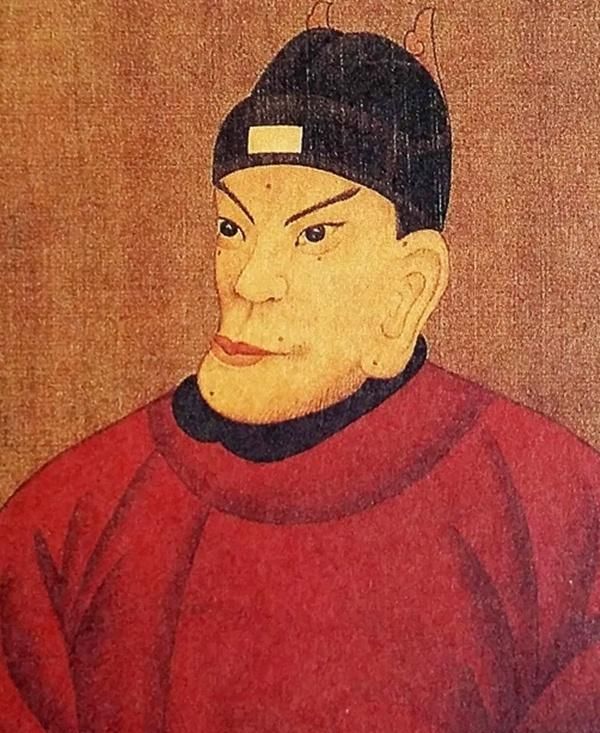
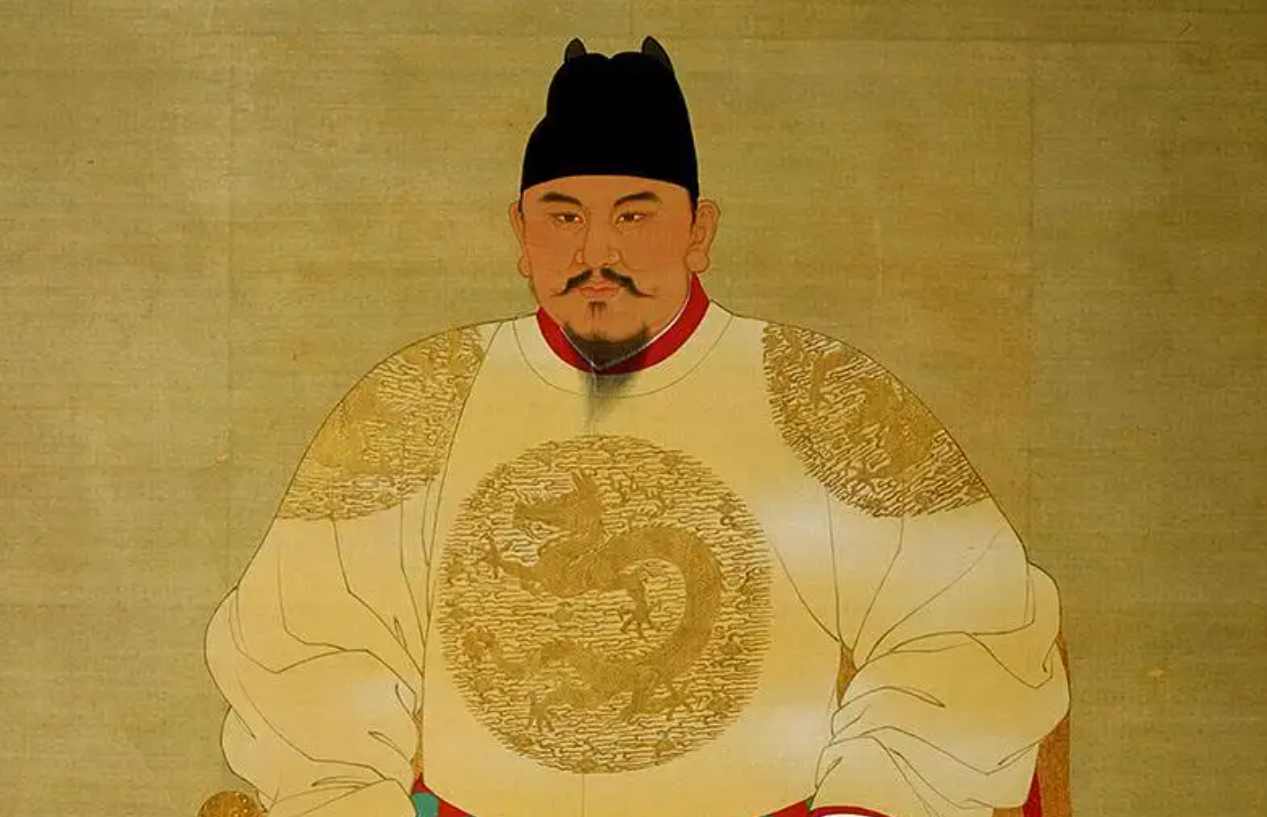
However, recent educational reforms in China have replaced this image in textbooks with a more official portrait from the Nanxun Hall Collection in Taipei. The new image shows a dignified emperor with a round face and solemn expression, reflecting his role as a ruler rather than a folkloric figure. This change highlights efforts to present historically accurate visuals aligned with academic research.
Legacy
Zhu Yuanzhang’s legacy is complex. While his strict rule and purges of officials caused fear, his policies stabilized China and set the stage for the Ming Dynasty’s golden age. Today, he is remembered as a symbol of resilience and ambition, embodying the transformation of a peasant to a powerful emperor.
Vocabulary List
Founder (创始人) /ˈfaʊndər/ – a person who creates or establishes something.
Example: Zhu Yuanzhang was the founder of the Ming Dynasty.
例如:朱元璋是明朝的创始人。
Monk (和尚) /mʌŋk/ – a man who lives in a religious community.
Example: Zhu Yuanzhang became a monk after his parents died.
例如:朱元璋在父母去世后出家为僧。
Prime minister system (宰相制度) /ˈpraɪm ˈmɪnɪstər ˈsɪstəm/ – a government structure where a prime minister leads.
Example: Zhu Yuanzhang abolished the prime minister system to centralize power.
例如:朱元璋废除了宰相制度,以集中权力
Jinyiwei (锦衣卫) /ˈdʒɪniˌweɪ/ – a secret police force in the Ming Dynasty.
Example: The Jinyiwei monitored officials to prevent corruption.
例如:锦衣卫负责监督官员,防止贪污腐败。
Huanglao System (黄册制度) /ˈhuɑːŋlɑːu ˈsɪstəm/ – a land and tax management system.
Example: The Huanglao System helped organize tax collection.
例如:黄册制度有助于组织税收征管。
Eight-Legged Essay (八股文) /ˈeɪt ˈlɛɡd ˈɛsɔɪ/ – a rigid exam format for civil service.
Example: The Eight-Legged Essay tested knowledge of Confucian classics.
例如:八股文考察考生对儒家经典的掌握程度。
Forbidden City’s precursor (紫禁城前身) /fəˈbɪdən ˈsɪti ˈpriːʃəsər/ – an early version of the imperial palace.
Example: Construction of the Forbidden City’s precursor began during the Hongwu Era.
例如:紫禁城前身的建造始于洪武年间。
Official portrait (官方画像) /ˈɒfɪʃ(ə)l ˈpɔːtrɪt/ – a formal painting of a leader.
Example: The official portrait of Zhu Yuanzhang shows his regal appearance.
例如:朱元璋的官方肖像显示了他的帝王之相。
Nanxun Hall Collection (南薰殿藏画) /nɑːnˈʃuːn hɔːl kəˈlɛkʃ(ə)n/ – a museum in Taipei housing historical art.
Example: The Nanxun Hall Collection includes Ming-era portraits.
例如:南薰殿藏品包括明代肖像画。
Dignified (庄重的) /ˈdɪɡnɪfaɪd/ – showing respect and seriousness.
Example: The new portrait portrays Zhu Yuanzhang as a dignified emperor.
例如:新肖像将朱元璋描绘成一位威严的皇帝。
This article introduces Zhu Yuanzhang’s life, policies, and cultural impact, offering insights into his role in shaping Chinese history. The updated portrait in textbooks reflects a commitment to historical accuracy, enriching global understanding of China’s past.