Chinese Sight Seeing| The Great Wall


"不到长城非好汉,屈指行程二万。"
——毛泽东《清平乐·六盘山》
"The one who has not reached the Great Wall is no true hero;
Countless miles we have journeyed, now let history unfold."
——Mao Zedong, Qingpingle·Liupanshan
Welcome to Scinorhythm Classroom! This article, exclusively published by ScinoRhythm, is about Chinese Sight Seeing| The Great Wall. It's relatively easy and suitable for beginners learning Chinese. If you enjoy ScinoRhythm's courses, feel free to subscribe to our private tutoring sessions and enjoy various discounts.#Chinese learning #Mandarin language learning #Affordable online Chinese courses #Mandarin native teacher #HSK #President Mao #Chinese culture #The Great Wall #Beijing
Stretching like a giant dragon across northern China, the Great Wall (Chángchéng) is not just a stone structure but a living testament to China's 2,000-year history. Immortalized in Mao Zedong's iconic poem written during the Long March, it symbolizes perseverance and triumph. More than a military defense, it weaves together stories of empires, cultures, and human resilience. For international Chinese learners, exploring its past and present offers a window into China's soul—especially magical when blanketed in winter snow.
I. The Evolution of the Great Wall: From Fortress to Symbol
1. Origins in the Spring and Autumn Period (770–476 BCE)
Long before the "Great Wall" existed, warring states built separate walls to defend their territories. The earliest recorded sections were constructed by the Chu State, known as the "Square Wall" (Fāngchéng). These early barriers were made of rammed earth and stones, designed to block enemy chariots and nomadic raiders.
2. Unification Under Qin Shi Huang (221–206 BCE)
When Qin Shi Huang unified China in 221 BCE, he ordered the connection of existing walls into a single 2,100-kilometer defense line. This marked the birth of the "Wànlǐ Chángchéng" (Ten-Thousand-Li Great Wall). Soldiers and laborers used local materials like clay and stone, following the natural terrain of mountains and rivers. Though much of the Qin Wall has eroded, its foundation laid the groundwork for future expansions.
3. Expansion in the Han Dynasty (206 BCE–220 CE)
To protect the Silk Road from northern tribes, the Han Dynasty extended the westward section of the Wall to the Gobi Desert. Stretching over 10,000 kilometers, it included watchtowers and beacon fires to signal enemy movements. These towers also served as rest stops for traders, blending defense with cultural exchange.
4. The Ming Dynasty Masterpiece (1368–1644 CE)
The Great Wall we know today was mostly rebuilt during the Ming Dynasty. Facing threats from the Mongols, the Ming emperors invested in stronger materials like bricks and granite. The wall reached its peak length of 8,851 kilometers, with iconic sections like Badaling and Mutianyu near Beijing. Watchtowers were spaced every 100–200 meters, and strategic passes like Shanhai Pass guarded key entry points.
II. Winter Travel Guide: Exploring the Great Wall in Snow
Winter transforms the Great Wall into a fairy-tale landscape. Here’s how to make the most of your visit:
Recommended Sections
· Badaling: The most accessible section, with well-preserved towers and cable cars for easy access. Snow-covered ramparts create a postcard-perfect scene.

· Mutianyu: Less crowded than Badaling, with gentle slopes and stunning views of snow-capped mountains. Try the toboggan slide down the wall for fun!
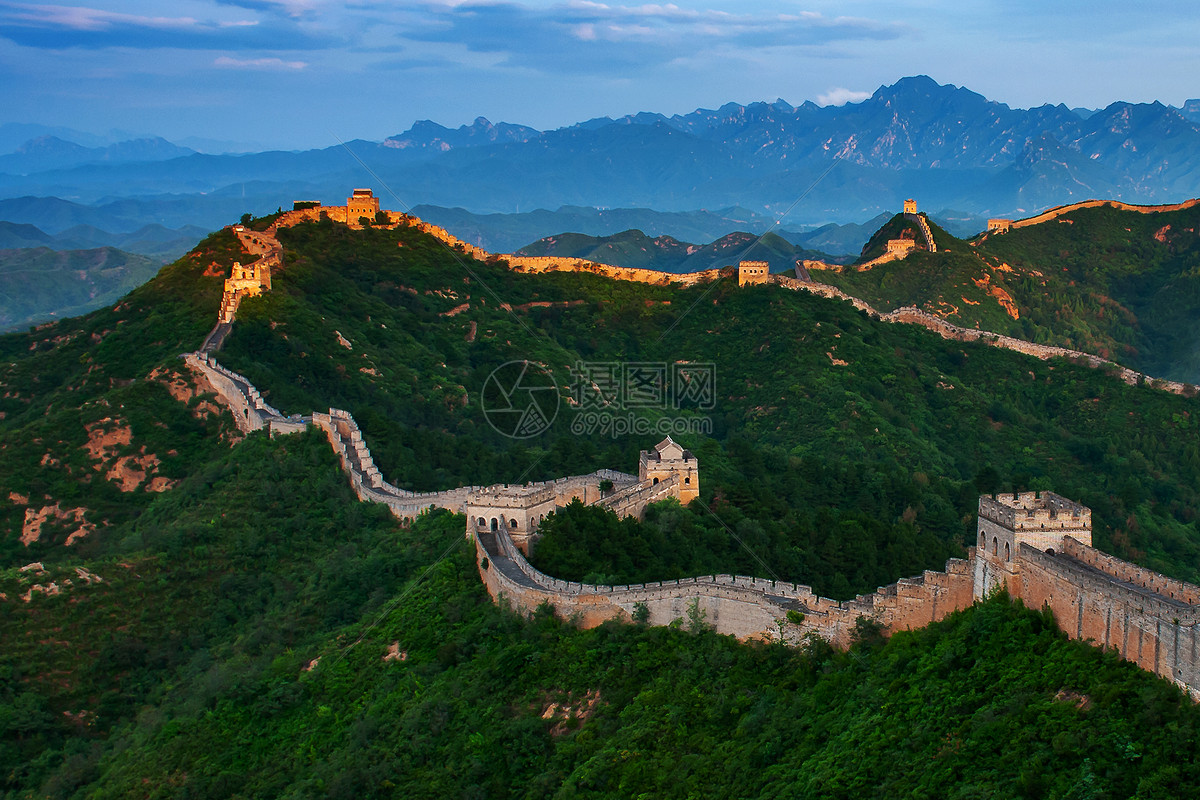
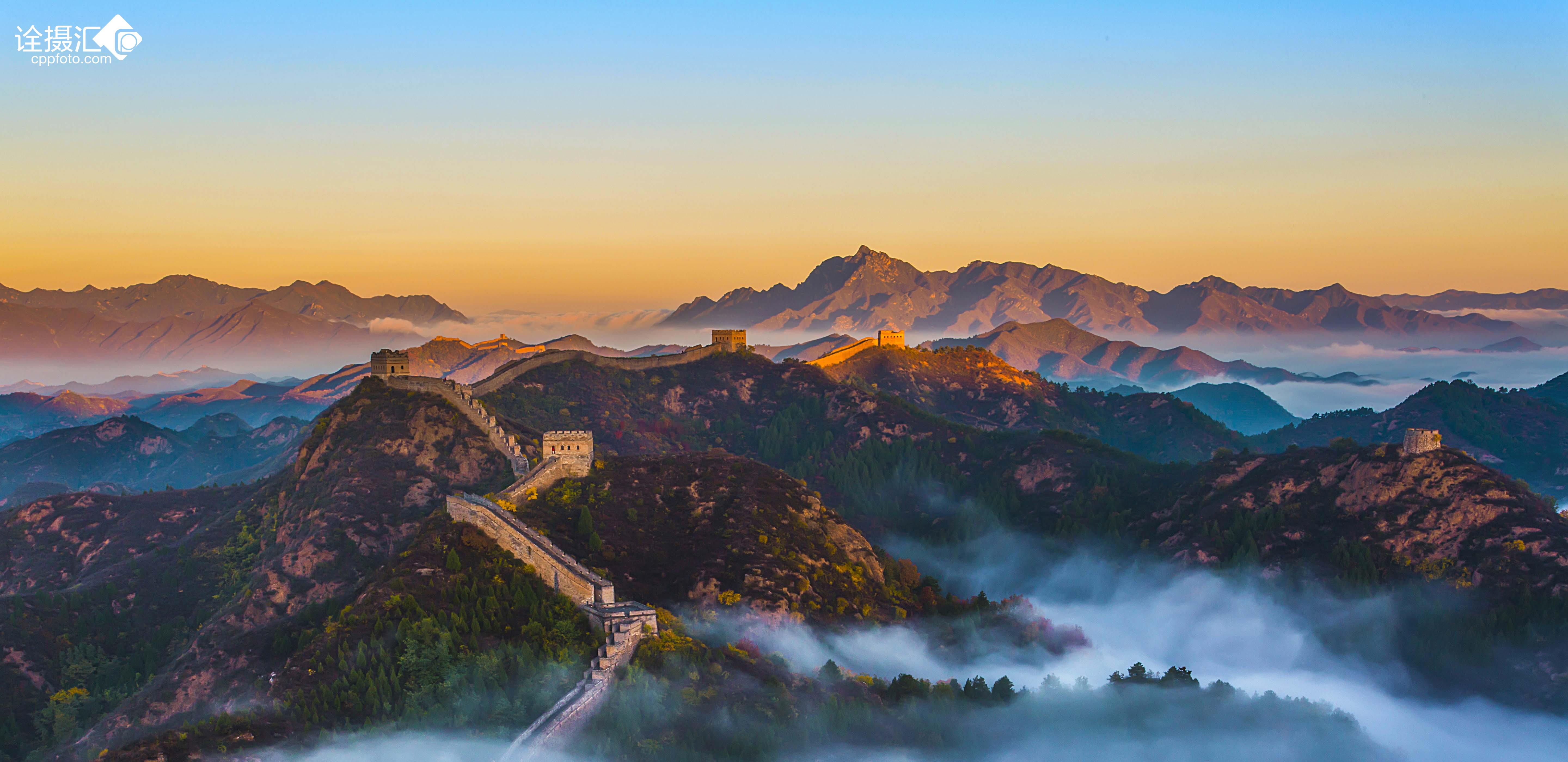
· Jinshanling: Ideal for photographers, this wilder section offers dramatic vistas of the wall winding through snow-laden forests.
❄️ Tips for Winter Visits
· Dress in layers: Wear thermal underwear, a thick down jacket, gloves, and non-slip boots. The wind on the wall can make temperatures feel 5–10°C colder!
· Check weather and hours: Some sections shorten opening hours in winter. Verify before you go.
· Book tickets in advance: Avoid long lines by purchasing tickets online.
· Stay hydrated: The dry winter air can dehydrate you quickly—carry a thermos of hot tea.
Winter Highlights
· Capture sunrise over the snow-blanketed wall for golden-hour magic.
· Visit during Chinese New Year for festive decorations and cultural performances at nearby villages.
III. Key Vocabulary for Chinese Learners
Here are essential words from the article, with pinyin, definitions, and examples:
长城 (Chángchéng)
English: Great Wall
Example: 我想去北京参观长城(I want to go to Beijing to see the Great Wall.)
朝代 (Cháodài)
English: Dynasty
Example: 明朝代修建了伟大的长城. (The Ming Dynasty built the most magnificent Great Wall.)
防御 (Fángyù)
English: Defense / to defend
Example: Chángchéng de zuòyòng shì fángyù dí rén. (The Great Wall's purpose was to defend against enemies.)
烽火台 (Fēnghuǒtái)
English: Beacon tower
Example: 古人在烽火台燃烧烟火警报. (Ancient people lit beacons on the towers to send warnings.)
关隘 (Guān'ài)
English: Pass / strategic checkpoint
Example: 山海关是长城最重要的关隘之一. (Shanhai Pass is one of the most important passes on the Great Wall.)
冬季 (Dōngjì)
English: Winter
Example: 冬季的长城被雪覆盖,非常美丽. (The Great Wall covered in snow in winter is very beautiful.)
游览 (Yóulǎn)
English: To visit / to tour
Example: 我们经过3个小时的游览,终于到达了长城的顶峰. (After three hours of touring, we finally reached the top of the Great Wall.)
结冰 (Jiébīng)
English: To freeze
Example: 冬季的河面结冰了,我们可以在上面打冰球. (The river freezes in winter, and we can play ice hockey on it.)
文化 (Wénhuà)
English: Culture
Example: 长城是中国文化的重要象征. (The Great Wall is an important symbol of Chinese culture.)
保护 (Bǎohù)
English: To protect / preservation
Example: 我们要保护长城,让它能够传承给后代. (We must protect the Great Wall and pass it on to future generations.)
壮观 (Zhuàngguān)
English: Magnificent / spectacular
Example:当我看到长城的时候,我感到非常壮观. (When I saw the Great Wall, I felt it was very magnificent.)