Chinese Upper-Level Vocabulary| The Evolution of Yuan Dan in China

Welcome to Scinorhythm Classroom! This article, exclusively published by ScinoRhythm, is about Chinese Upper-Level Vocabulary| The Evolution of Yuan Dan in China. It's a little difficult and suitable for HSK4-6 learners . If you enjoy ScinoRhythm's courses, feel free to subscribe to our private tutoring sessions and enjoy various discounts.#Chinese learning #Mandarin language learning #Affordable online Chinese courses #Mandarin native teacher #HSK #New Year's Day #Chinese culture
As the first day of the Gregorian calendar year, New Year's Day, or Yuan Dan (yuán dàn - the initial day), is celebrated worldwide as a symbol of new beginnings and hope. In China, this festival carries a unique 5,000-year history, evolving from ancient imperial rituals to a modern national holiday. Let's explore its fascinating journey.
Ancient Origins: From Legend to Imperial Tradition
The story of Yuan Dan in China begins with Zhuan Xu (Zhuānxū - a legendary emperor in ancient China), one of the Five Emperors. According to historical records, he established the first lunar calendar around 2000 BCE, setting the first day of the first lunar month as the start of the year. The term "Yuan Dan" first appeared in the Book of Jin (《晋书》), a historical text from the 3rd century CE, which described it as "the spring of the first day of the year."
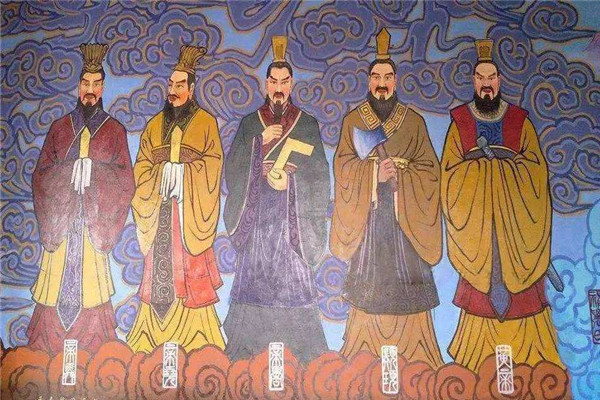
Before the Han Dynasty, the date of Yuan Dan varied across dynasties:
· The Xia Dynasty (2070–1600 BCE) celebrated it on the first day of the first lunar month.
· The Shang Dynasty (1600–1046 BCE) shifted it to the first day of the 12th lunar month.
· The Zhou Dynasty (1046–256 BCE) moved it to the first day of the 11th lunar month.
· The Qin Dynasty (221–206 BCE) set it on the first day of the 10th lunar month.
In 104 BCE, Emperor Wu of the Han Dynasty introduced the Taichu Calendar (Tàichū Lì - a calendar system established in the Han Dynasty), which standardized the first day of the first lunar month as Yuan Dan. This tradition continued for over 2,000 years until the early 20th century.
During ancient times, Yuan Dan was a grand imperial event. The emperor would hold a court assembly (cháohuì - imperial court assembly) to receive greetings from officials, while common people celebrated by hanging peach wood charms (táofú - peach wood charms for good luck), setting off firecrackers, and visiting relatives.
The Republic of China Era: Two New Years
After the 1911 Revolution, the Republic of China adopted the Gregorian calendar to align with international standards. In 1912, the government designated January 1st as "New Year" (Yuan Dan) and the first day of the lunar year as "Spring Festival" (Chūnjié - the traditional Chinese Lunar New Year). This created a unique "double New Year" system in China.
However, traditional customs were deeply rooted in society. Most people still celebrated the lunar New Year with greater enthusiasm, leading to a situation where the Gregorian New Year was quiet while the lunar New Year was filled with fireworks and celebrations.
Modern China: A National Holiday
In 1949, after the founding of the People's Republic of China, the government formally adopted the Gregorian calendar. January 1st was designated as Yuan Dan (New Year's Day), a legal holiday, while the first day of the lunar year remained Spring Festival, the most important traditional holiday in China.
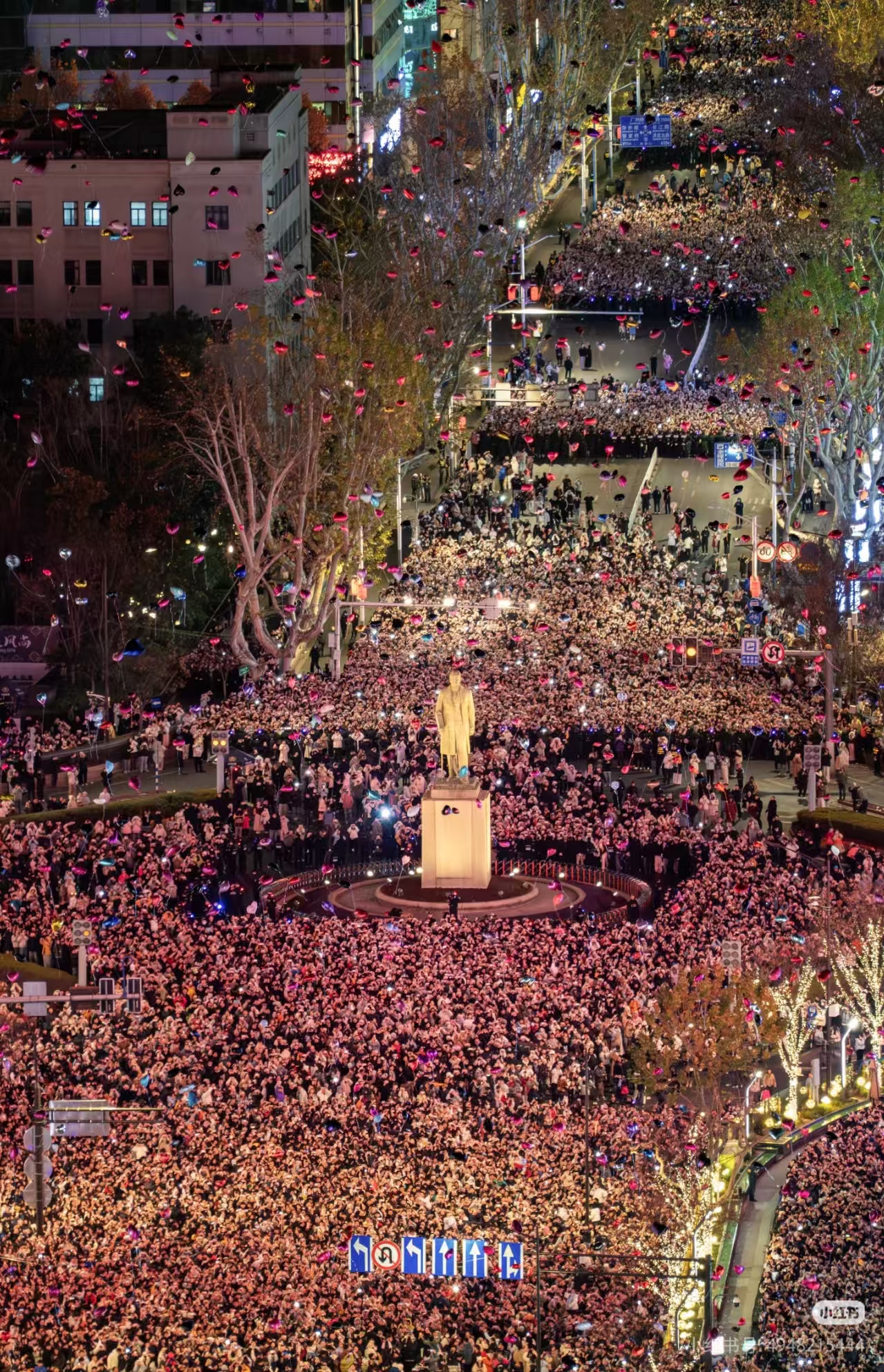
Today, Yuan Dan is celebrated with a mix of modern and traditional customs. People enjoy a three-day holiday, participate in New Year's Eve parties, watch fireworks displays, and exchange greetings online. Many also travel or spend time with family, combining the spirit of bidding farewell to the old and welcoming the new (cíjiù yíngxīn) with contemporary lifestyles.
颛顼 (Zhuānxū):A legendary emperor in ancient China, one of the Five Emperors.
Example: 颛顼是中国古代传说中的五帝之一。(Zhuānxū is one of the Five Emperors in ancient Chinese legend.)
太初历 (Tàichū Lì):The Taichu Calendar, a calendar system established in the Han Dynasty that standardized the lunar year.
Example: 太初历的制定对中国历法发展有重要影响。(The creation of the Taichu Calendar had a significant impact on the development of Chinese calendars.)
春节 (Chūnjié):Spring Festival, the traditional Chinese Lunar New Year, the most important holiday in China.
Example: 春节期间,家家户户都会团聚吃年夜饭。(During Spring Festival, every family gathers to have a reunion dinner.)
朝会 (Cháohuì):Imperial court assembly where officials greeted the emperor on important occasions.
Example: 古代的朝会是非常隆重的仪式。(Ancient court assemblies were grand ceremonies.)
桃符 (Táofú):Peach wood charms hung on doors in ancient times to ward off evil spirits and bring good luck.
Example: 古人在元旦时会更换桃符,祈求平安。(Ancient people would replace peach wood charms on Yuan Dan to pray for peace.)
守岁 (Shǒusuì):Staying up late on New Year's Eve to welcome the new year.
Example: 守岁是春节的传统习俗之一。(Staying up late on New Year's Eve is one of the traditional customs of Spring Festival.)
祭祖 (Jìzǔ):Ancestor worship, a traditional activity to honor deceased family members.
Example: 许多中国人在春节期间会祭祖。(Many Chinese people worship their ancestors during Spring Festival.)
法定假日 (Fǎdìng jiàrì):Legal holiday, a day off work or school mandated by the government.
Example: 元旦是中国的法定假日,人们可以休息三天。(Yuan Dan is a legal holiday in China, and people can take three days off.)
纪年法 (Jìnián fǎ):Calendar system, a way of counting and recording years.
Example: 中国古代使用农历纪年法,现在则采用公历。(Ancient China used the lunar calendar system, and now it uses the Gregorian calendar.)
辞旧迎新 (Cíjiù yíngxīn):Bidding farewell to the old year and welcoming the new one, a common theme in New Year celebrations.
Example: 元旦是辞旧迎新的时刻,人们会许下新年愿望。(Yuan Dan is a time to bid farewell to the old year and welcome the new one, and people make New Year's resolutions.)
祈福纳祥 (Qífú nàxiáng):Praying for good fortune and auspiciousness, a traditional practice during festivals.
Example: 在元旦期间,人们会去寺庙祈福纳祥。(During Yuan Dan, people go to temples to pray for good fortune and auspiciousness.)